Websites & content platforms · SEO & GEO
Be found.
By machines too.
Visibility in search engines and AI answers is a craft: useful content, clear structure, controlled crawlers, measurable results. No magic trick. Work you can see.
At its core, visibility in AI search is excellent SEO
What Google, ChatGPT or Perplexity cite follows the same rules as traditional search: accessible, understandable, structured and factually correct. Google says this itself about its AI features. Other systems index differently but access the same sources.
What is new is the output. Instead of ten links, there is an answer, and your page is either the source or absent altogether. That makes markup, structure and access worth more attention than any trick.
Information chunking for people and machines
One section, one point. Every block must also make sense on its own, as a search result, a citation or text read aloud by a screen reader. No "as described above", no wall of text covering fourteen topics.
Technically, that means semantic sections with their own identifiers, appropriate schema.org types and clear headings. People scan faster, screen readers can navigate and AI systems cite the right paragraph. This does not guarantee a citation. It does provide the prerequisite.
Typical chunk types in the content model
A defined set of structured content types in the CMS ensures consistency and machine-readable markup.
DefinitionTerms and glossary entries explained precisely, marked up as DefinedTerm.
FAQSpecific questions and direct answers without detours, marked up as FAQPage.
Instructions and how-to guidesStructured steps and prerequisites, marked up as HowTo.
Fact blockKey facts, dates and figures in a structured form.
Object and product informationProperties, descriptions and attributes as searchable data.
Contacts and contact pointsResponsibilities, communication channels and locations as ContactPoint.
Crawler control and bot management
If you want to appear in AI answers, you need to let search crawlers in: Googlebot, Bingbot, OAI-SearchBot, Claude-SearchBot, PerplexityBot. Training crawlers and scrapers are a separate, deliberate decision.
The most common failure we see is not in robots.txt but in the WAF: an overly strict bot rule at the CDN blocks exactly the bots you want. We therefore configure robots.txt and the firewall together and check both against current crawler identifiers.
llms.txt and machine-readable content
An llms.txt is a text file in the root directory that points AI agents towards the most important content. Nothing more.
For Google Search it is neither necessary nor effective; Google has said so explicitly. We provide it anyway because it costs nothing and helps development tools. Anyone promising rankings from it is selling you something.
Common misconceptions in practice
Two misconceptions that regularly cost money.
No prompt forwarding by AI searchFor data protection and platform reasons, AI search systems do not pass users' questions to the website as URL parameters. Relevance comes from URLs focused on a topic, suitable content and interaction on the page.
No variant control through canonical tagsCanonical tags consolidate similar pages in the index rather than making variants visible. Multiple search terms require separate topic pages with their own content and self-referencing canonical tags.
Measuring and tracing AI traffic
We assess whether SEO and GEO work using three separate figures: citations in a fixed sample of queries, with date, system and search term. Visits from AI systems in GA4 or Matomo, as a separate channel. And enquiries resulting from them.
A citation without a click does not appear in web traffic. We therefore do not convert the three into one another. For referrers and parameters to arrive with a click at all, redirects at the edge must pass everything through. Our measurement approach is described under Server-side tracking.
Implementation in practice and a look ahead to WebMCP
This website demonstrates it: structured data using schema.org, semantic landmarks with fixed anchors, a curated llms.txt and every page also available as Markdown, for example this one.
We are keeping an eye on WebMCP: websites offering tools to AI assistants in the browser, reading through structured data and writing only with the user's explicit confirmation. It is not yet part of the scope of delivery, but we are already building the foundations.
The visibility check
A clearly scoped check. Afterwards, you know where you stand and what matters next.
Documented baselineA record of the technical foundations, indexability, structured data and measurement conditions for a defined sample of pages.
Prioritised findingsSpecific analysis of content structure, bot accessibility and redirects, and their effect on discoverability and measurement quality.
Recommended actionsStructured measures for content architecture, semantic markup and crawler rules, with clear test criteria.
Scoped implementation proposalA proposal for technical implementation and example revisions of selected content. Ongoing editorial support is agreed separately.
Related services and foundations
Web projects from our work
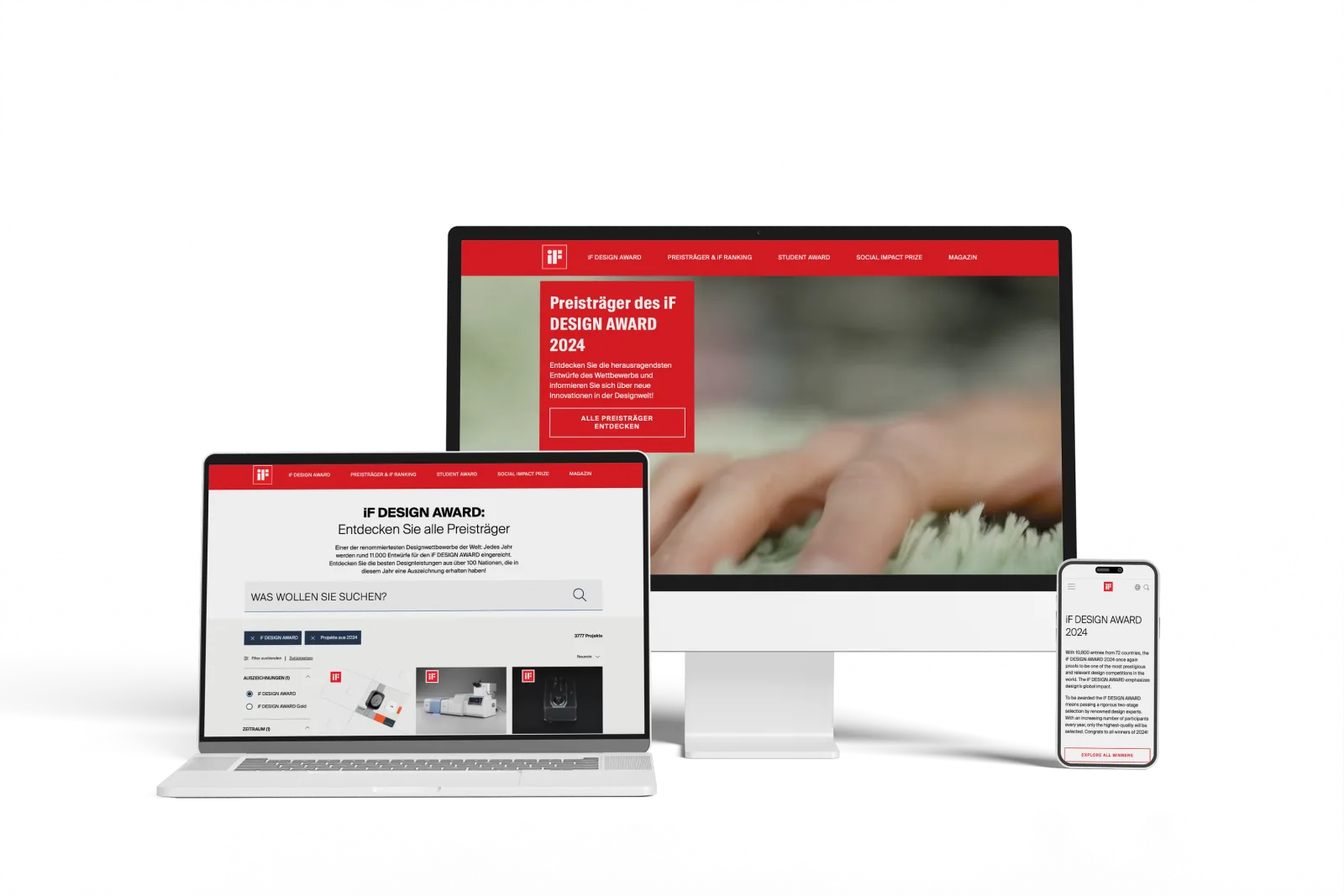
iF Design
Website relaunch

OSMA Aufzüge
Website with its own component library

RECARO
Website relaunch

BAHLSEN
Websites for strong brands

FriEnt
Making publications easier to find

Gartenheim
A new web presence for the cooperative
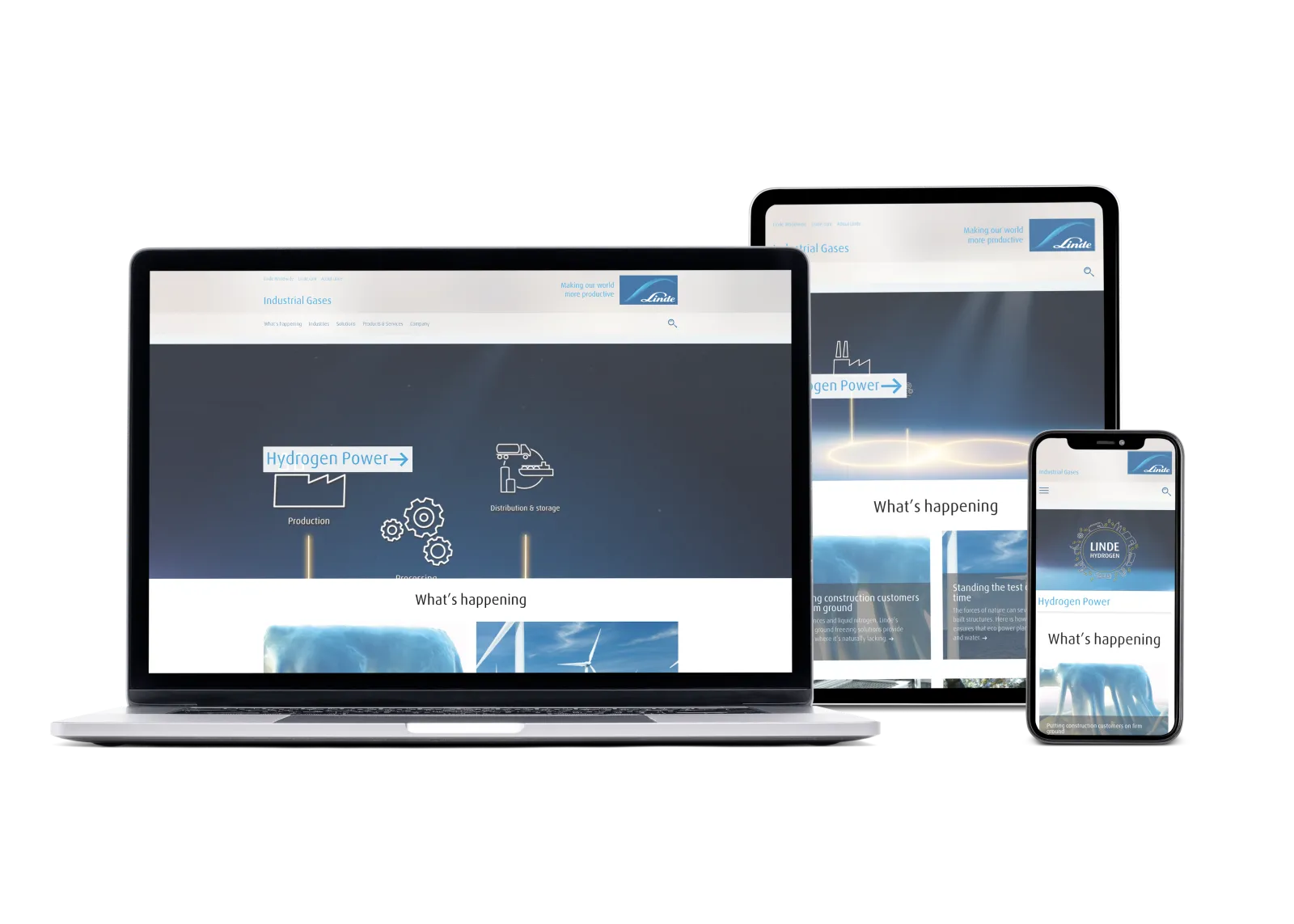
Linde
Global web presence
40 international Linde websites: Sitecore implementation, content migration, Azure operations and ongoing technical development since 2014.
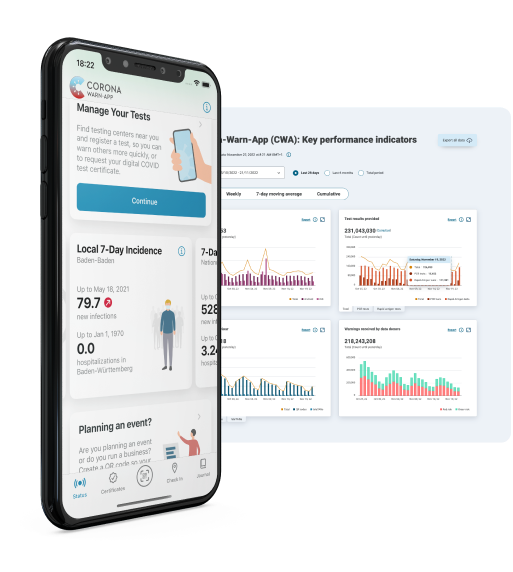
SAP
Corona-Warn-App support

SCHMIDHUBER
Custom website components

Vimcar
Corporate website & checkout
The next step
How visible is your website in search and AI answers?
Tell us about your idea or challenge. Together we work out what makes sense and how we can support you.
Book a call (30 min)Loading form.
